

Properties For Rent

Modern Loft in San Francisco, CA
$3000/month

Modern Loft in San Francisco, CA
$3000/month
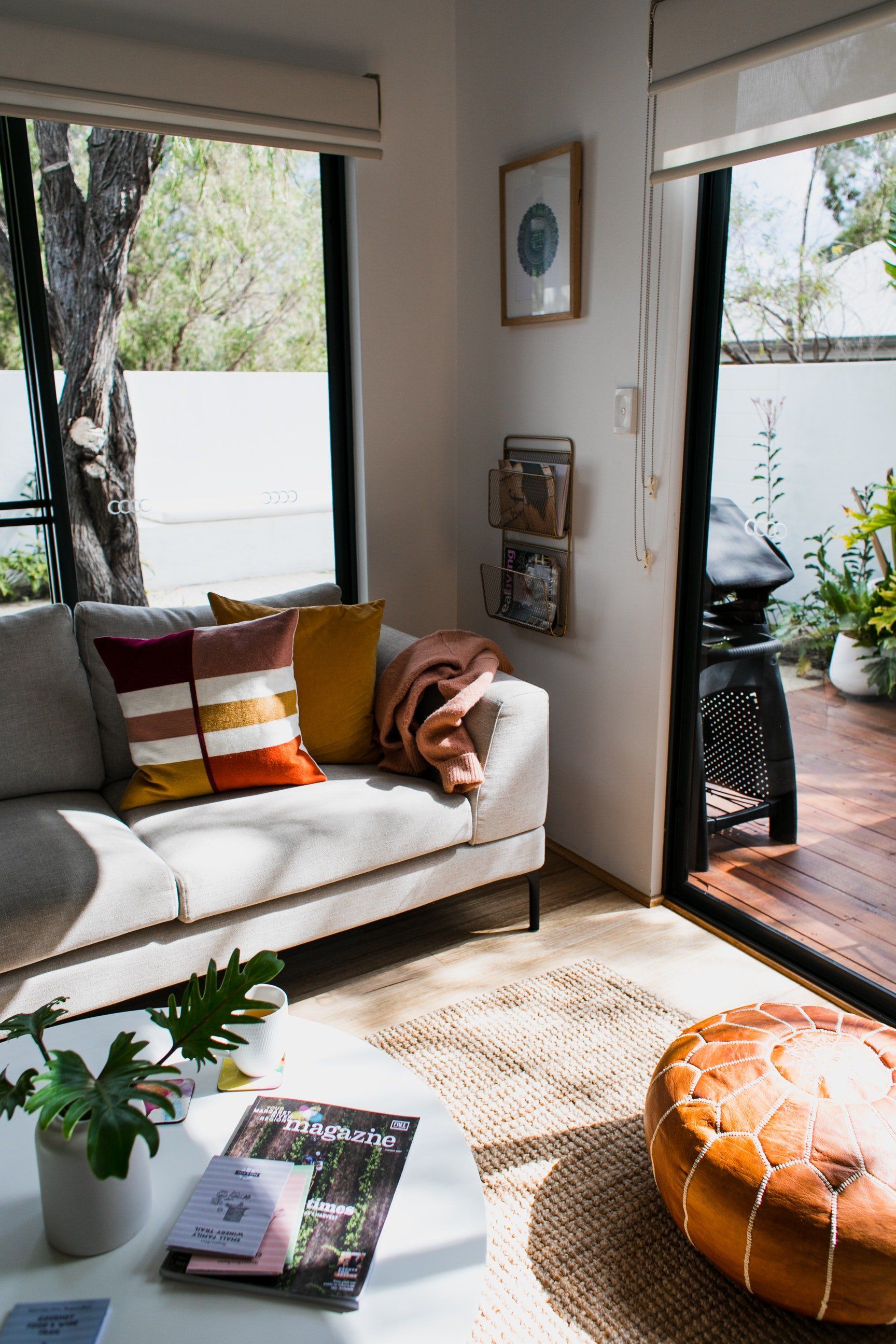
Modern Loft in San Francisco, CA
$3000/month
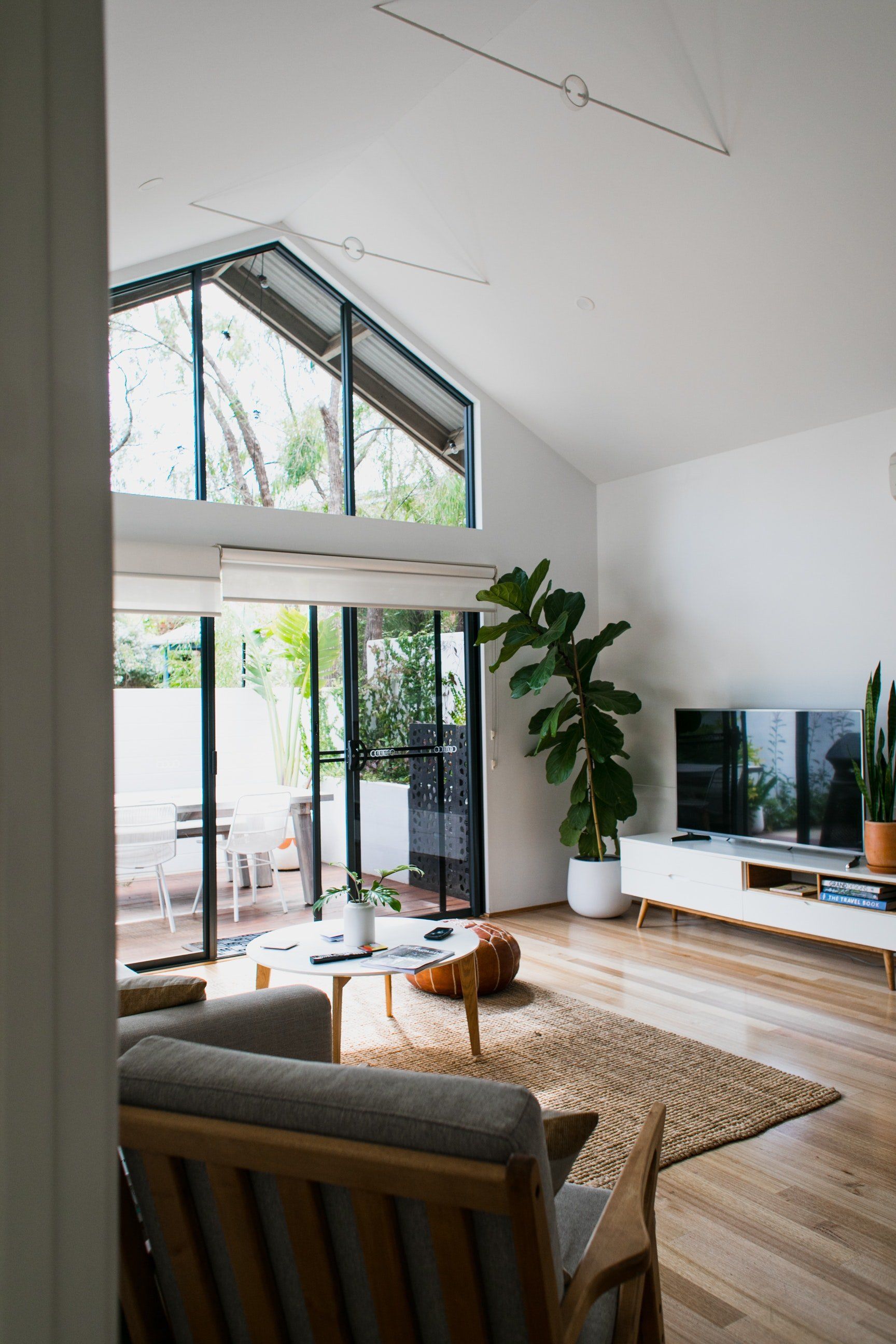
Modern Loft in San Francisco, CA
$3000/month
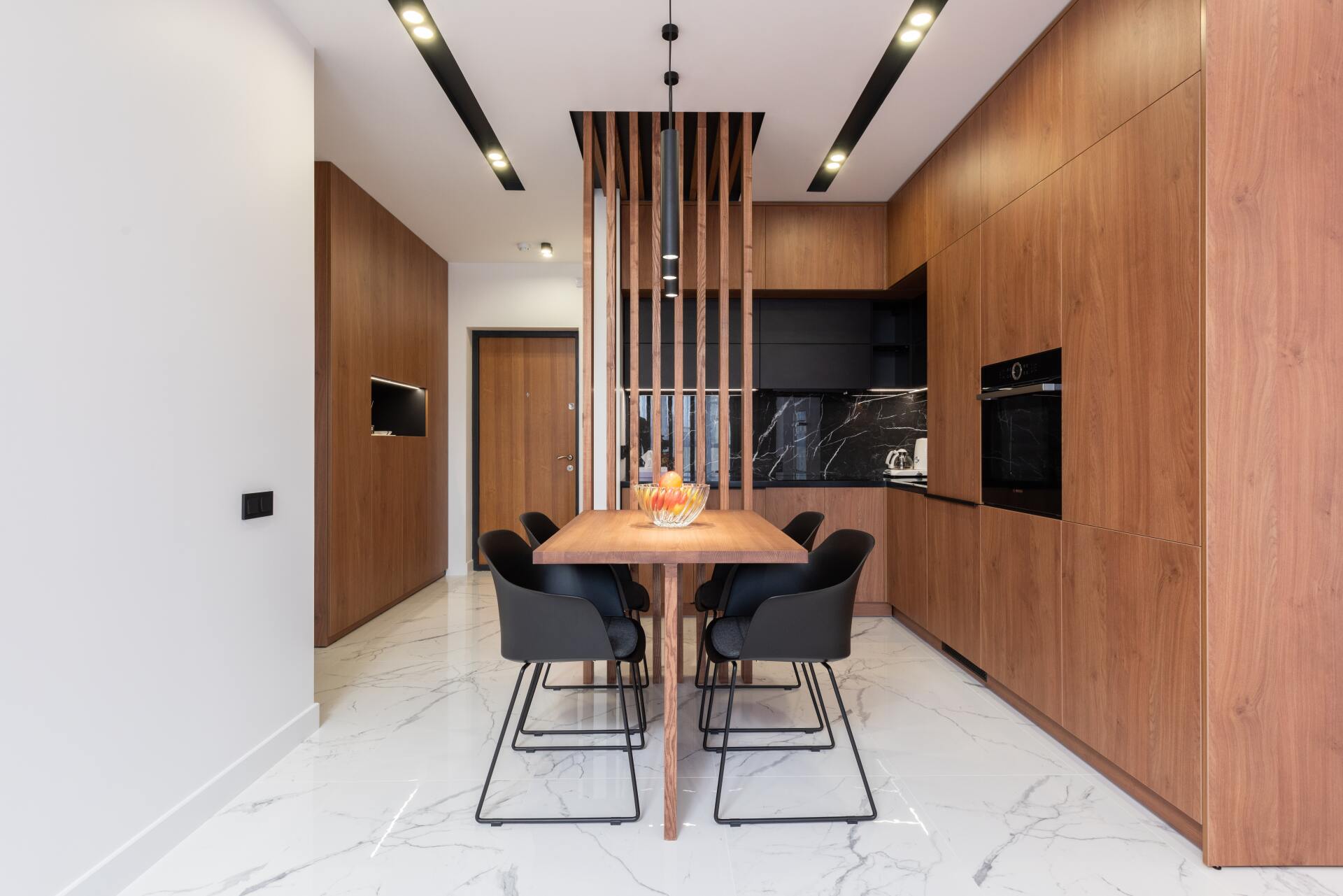
Modern Loft in San Francisco, CA
$3000/month

Modern Loft in San Francisco, CA
$3000/month

Have a question?
We’re here to answer all your questions. Don’t hesitate to reach out and talk to our agents to find out everything you wish to know about the property, the neighborhood and anything in between.
Journal

Moving to a new home can be exciting, but packing your belongings can quickly become overwhelming. Between sorting possessions, finding boxes, protecting fragile items, and managing deadlines, it's easy to feel like there's too much to do at once. The best way to make moving easier is to start early, work systematically, and focus on one area at a time. Here is a practical guide to help you pack with less stress. 1. Declutter Before You Pack Before placing anything in a box, decide what you actually want to bring to your next home. Sort your belongings into four groups: keep, donate, sell, and discard. Clothes you no longer wear, duplicate kitchen items, unused decorations, and broken belongings are good places to start. Reducing the number of items you move can save time, space, and potentially moving costs. It can also make unpacking much easier. 2. Gather Your Packing Supplies Prepare your materials before packing day. Depending on your belongings, you may need: Small, medium, and large moving boxes Packing tape and a tape dispenser Permanent markers and labels Bubble wrap or other protective packing materials Paper or towels for wrapping fragile items Zip bags for small hardware and loose parts Use sturdy boxes and avoid making large boxes too heavy to lift safely. 3. Pack One Room at a Time Packing everything at once makes it harder to stay organized. Instead, work through one room or category at a time. Start with items you rarely use, such as seasonal decorations, books, spare linens, and extra kitchenware. Leave daily essentials until closer to moving day. Keep items from the same room together where practical. This makes it easier to identify where each box belongs in your new home. 4. Label Every Box Clearly Write the destination room and a brief description of the contents on each box. For example: Kitchen — pots and pans Bedroom — winter clothing Living Room — books and decorations Bathroom — extra towels Mark fragile boxes clearly, but remember that labels do not replace careful handling. If you need a more detailed inventory, number each box and maintain a separate list of its contents. 5. Protect Fragile and Valuable Items Wrap breakable items individually and cushion empty spaces inside boxes to prevent shifting. Keep heavier objects at the bottom and lighter items near the top. Transport important documents, jewelry, medications, and other essential valuables separately and securely. Avoid packing hazardous materials or items that movers cannot legally or safely transport without checking their policies first. 6. Prepare an Essentials Box Set aside one box or bag for the first day and night in your new home. Include items such as: Phone chargers Toiletries and basic medications A change of clothes Towels and bed linens Basic cleaning supplies Snacks, drinking water, and simple utensils Important documents and keys Keep this box accessible instead of burying it under other belongings. 7. Use a Packing Schedule A simple timeline can help you avoid last-minute stress. Two to four weeks before moving: Declutter, gather supplies, and pack items you rarely use. One to two weeks before moving: Pack most nonessential belongings and confirm moving arrangements. A few days before moving: Pack everyday items you can temporarily do without, confirm access details, and prepare your essentials bag. Moving day: Check closets, cabinets, storage spaces, and outdoor areas before leaving. Adjust this schedule to your home's size, your moving date, and the amount of help available. 8. Make Unpacking Easier Packing is only half the process. Before sealing a box, consider where its contents will go in your new home. Keep similar items together and avoid mixing unrelated belongings. Take photos of complicated electronic connections before unplugging them. Keep screws and small hardware in labeled bags attached to the relevant furniture when practical. If you are moving into a smaller property, measure large furniture before moving day to avoid discovering that important pieces will not fit. Make Your Next Move More Manageable A well-organized move begins with a clear plan. By decluttering early, labeling boxes, protecting fragile belongings, and preparing an essentials bag, you can make the transition more manageable. Whether you're moving because of a new opportunity, a change in household needs, or a property sale, taking the process one step at a time can make a real difference. Planning a property transition in Indiana? M-Power Properties welcomes inquiries from property owners who want to discuss a potential real estate opportunity. Contact our team to start a conversation.

Homebuyer preferences change over time, but many buyers continue to look for the same fundamentals: a comfortable layout, a functional kitchen, sufficient storage, dependable systems, and spaces that fit their everyday routines. For homeowners considering a sale, understanding these expectations can help prioritize maintenance and improvements. For property investors, it can help frame an initial assessment of a property's condition and potential. Not every buyer wants the same features, and expectations vary by price point, location, and property type. Still, these areas are useful starting points. 1. A Functional, Well-Maintained Kitchen The kitchen is one of the most frequently used spaces in a home. Buyers may pay attention to counter space, cabinet storage, appliance condition, lighting, and how easily the kitchen connects with nearby dining or living areas. A complete renovation isn't always necessary. Depending on the condition of the property, cleaning cabinets, repairing damaged hardware, improving lighting, or addressing worn surfaces may be worthwhile first steps. The goal is to make the kitchen feel functional and cared for rather than simply expensive. 2. Comfortable Living Spaces and Practical Layouts Many buyers value a layout that supports everyday living. Clear pathways, usable rooms, and a sensible connection between shared spaces can help a home feel comfortable. Open-concept designs appeal to some buyers, while others prefer defined rooms for privacy, work, or quiet activities. A well-designed home doesn't necessarily need to follow one particular floor plan; it should make good use of the space available. When evaluating possible improvements, consider whether a change would genuinely improve the home's functionality. 3. Adequate Storage Closets, pantry space, bathroom storage, and practical garage or utility storage can make a home easier to live in. You may not be able to add new storage areas without significant work, but you can make existing spaces more useful. Remove unnecessary items, organize shelves, and ensure storage areas are accessible and easy to understand during a viewing. A clean, organized closet can communicate functionality better than an overcrowded one. 4. Updated Bathrooms and Reliable Plumbing Buyers often look closely at bathrooms because these spaces are essential to daily comfort and can be expensive to repair when problems are present. Clean fixtures, working faucets, good ventilation, intact grout, and adequate lighting can make a meaningful difference. Address visible leaks and moisture issues rather than concealing them with cosmetic changes. An attractive bathroom is helpful, but reliable plumbing and proper maintenance matter just as much. 5. Energy Efficiency and Comfortable Indoor Temperatures Heating, cooling, insulation, windows, and other energy-related features can influence comfort and ongoing household costs. Buyers may ask about the age and condition of major systems, utility expenses, and any energy-efficient improvements. Keep available maintenance records, equipment information, and documentation for completed upgrades. Avoid assuming that every improvement will deliver a particular financial return. The value of an upgrade depends on the property, local market, installation cost, and buyer priorities. 6. Dedicated Space for Work and Everyday Flexibility Some buyers appreciate a separate home office, study area, or flexible room that can support remote work, hobbies, guests, or changing household needs. A spare bedroom or quiet corner may already offer this flexibility without requiring major construction. When presenting a home, make sure rooms are arranged in a way that helps visitors understand how the space could be used. The objective is to show the room's practical potential without misrepresenting its size or permitted use. 7. Outdoor Areas and Curb Appeal The outside of a property shapes the first impression. A tidy entrance, maintained landscaping, clear walkways, and an exterior that appears cared for can make a home more inviting. Depending on the property, buyers may also appreciate a usable patio, yard, porch, or other outdoor area. Start with basic upkeep before investing in elaborate landscaping or expensive outdoor features. A clean and functional exterior is often a sensible foundation. 8. Safety, Maintenance, and Dependable Home Systems Cosmetic features can attract attention, but buyers also need confidence in the property's overall condition. Roof condition, electrical systems, heating and cooling equipment, plumbing, drainage, and signs of moisture damage can all be important considerations. Keep maintenance records and address known safety issues appropriately. If a repair or system needs professional evaluation, consult a qualified professional rather than relying on appearance alone. Should You Renovate Before Selling? Not necessarily. The right decision depends on the property's condition, your budget, the likely buyer, local market conditions, and how much time you have. Before committing to a major renovation, consider three questions: Is the improvement necessary? Address safety concerns, active leaks, and important maintenance issues first. Will it improve usability or presentation? Small, targeted improvements may be more practical than a full remodel. Does the cost make sense? Compare the likely expense with your objectives, timeline, and available information about the local market. There is no universal list of upgrades that guarantees a higher selling price. Thoughtful evaluation is more useful than renovating simply because a feature is popular. Look Beyond Trends Buyer expectations provide a useful guide, but every property has its own strengths, limitations, and opportunities. A home's condition, location, layout, and price all influence how buyers may view it. For homeowners and investors alike, the best starting point is to understand the property as it stands today, identify practical priorities, and make decisions based on the circumstances. Exploring a real estate opportunity in Indiana? M-Power Properties focuses on evaluating property opportunities and building strategic relationships. Contact our team to discuss your situation and explore potential next steps.